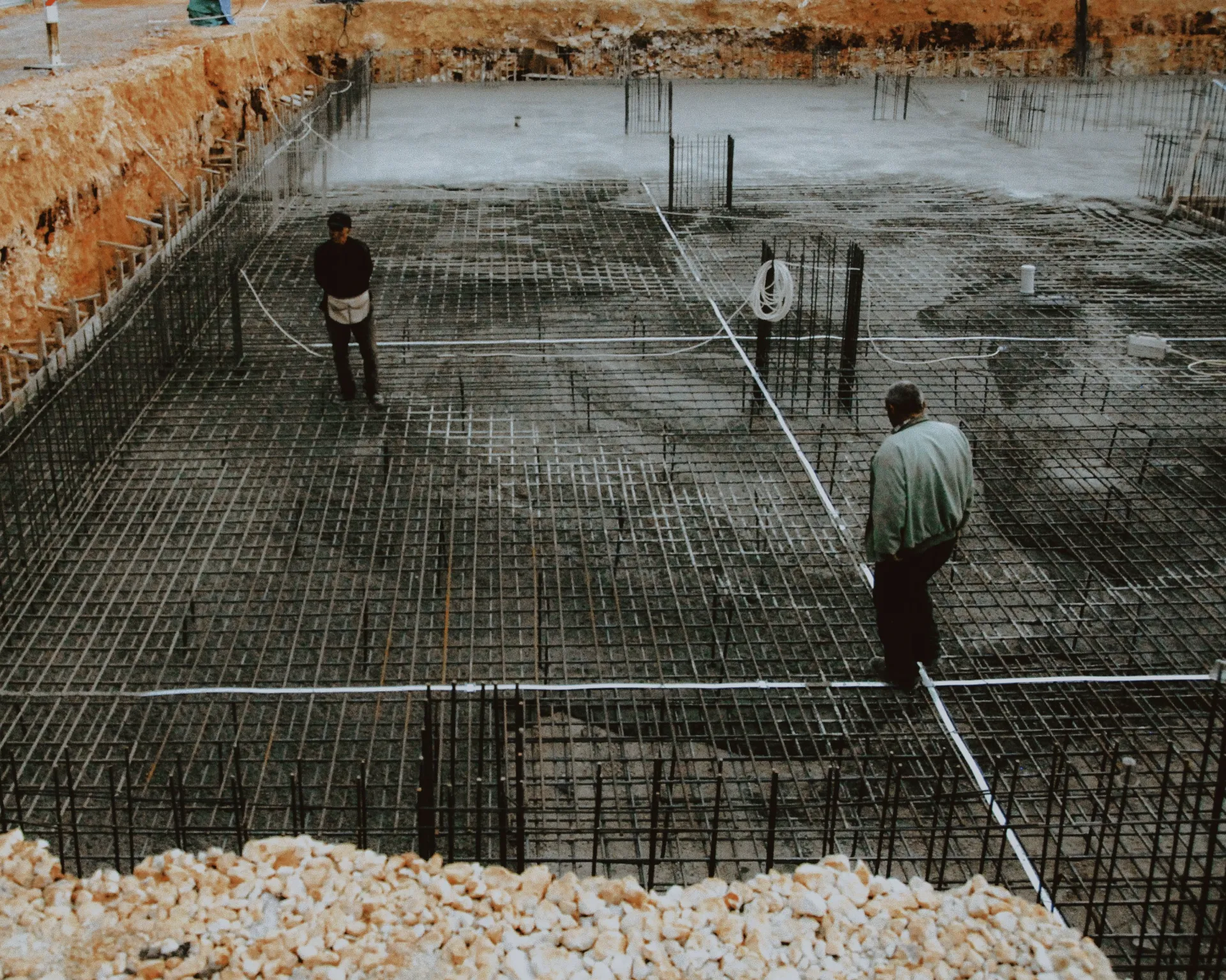
Earthwork takeoffs involve measuring and calculating the quantities of soil and other materials that must be excavated, moved, placed, or prepared during construction. The exact takeoff categories depend on the drawings, specifications, and project requirements.
01. Excavation Quantity Takeoffs
Excavation is a major component of many site development projects. The required quantities depend on existing ground elevations, proposed elevations, excavation limits, and specified depths. Our estimating scope may include quantities for general site excavation, building pad excavation, foundation excavation, trench excavation, footing excavation, roadway and parking area excavation, utility trenching where included, and other specified earth removal activities. Organizing excavation quantities by area or construction activity helps contractors review the required work and prepare project-specific pricing.
02. Cut and Fill Calculations
Cut-and-fill calculations help determine how much existing soil must be removed from higher areas and placed in lower areas to achieve proposed site elevations. These calculations are important for site grading and earthmoving plans. Depending on the available documents, takeoffs may identify cut quantities, fill quantities, net earthwork volumes, areas requiring additional fill, areas requiring excavation, and estimated material movement. Existing and proposed elevation information is essential for reliable earthwork calculations. Where the drawings do not provide sufficient information, additional clarification or survey data may be required.
03. Grading and Site Preparation Takeoffs
Grading prepares the site for building construction, paving, drainage, landscaping, and other improvements. The estimating scope may include rough grading, fine grading, building pad preparation, parking lot grading, roadway grading, slope grading, subgrade preparation, and specified topsoil placement. Grading quantities should be evaluated according to the proposed contours, spot elevations, boundaries, and other relevant construction details.
04. Soil and Fill Material Quantities
Earthwork projects may require different soil and fill materials depending on the engineering specifications. Where identified in the documents, estimates may include common excavation, suitable fill, select fill, structural fill, imported soil, topsoil, compacted fill, and specified backfill materials. Material suitability, moisture conditions, and compaction requirements can affect the amount of material needed and the cost of earthwork operations.
05. Backfilling and Compaction Estimates
Backfilling involves placing material into excavated areas after the required construction work has been completed. Depending on the scope, quantities may include foundation backfill, trench backfill, structural backfill, and other specified filling activities. Compaction requirements should be reviewed from the project specifications because they can affect equipment, labor, and material planning.
06. Hauling and Soil Disposal Quantities
Excavated soil may need to be reused, stockpiled, transported, or disposed of depending on the project requirements. Where sufficient information is available, estimating considerations may include excavated material quantities, on-site soil reuse, material hauling requirements, import and export quantities, specified disposal requirements, and haul distance assumptions. Soil swell, shrinkage, moisture, and compaction factors can influence the relationship between bank, loose, and compacted volumes. These assumptions should be identified rather than treating all volume measurements as interchangeable.